

When someone searches "emergency plumber near me" at 2 AM, Google isn't just looking at backlinks. It's scanning the actual content on local business websites to figure out who deserves to show up first.
That's on page optimization for local SEO in action. And it works differently than the traditional SEO most agencies are familiar with.
If your agency handles local clients: restaurants, home services, medical practices, law firms, understanding these differences matters. It's the gap between rankings that stick and campaigns that stall out after month three.
This guide breaks down the on-page factors that actually influence local rankings, why they matter for the businesses you serve, and what to look for when evaluating work from a <a href="https://dialedinweb.com/">white-label local SEO partner</a>.
What is On Page Optimization?
<a href="https://dialedinweb.com/white-label-on-page-optimization">On page optimization</a> is how you fine-tune individual web pages so they show up higher in search results and bring in people who actually want what you're offering. It's a mix of what visitors read on your site and the technical stuff Google looks at behind the scenes.
Here's one way to think about it: your website needs to communicate in two different ways. First, it talks to real people. That means clear headlines, useful information, and an obvious path to whatever they came looking for.
Second, it talks to search engines. Google needs signals that say "this page covers what the searcher wants, and it's worth showing them."
What Makes Local SEO On-Page Different
Traditional on-page SEO focuses on helping a page rank for a topic. Local on-page SEO does that plus something else: it proves geographic relevance.
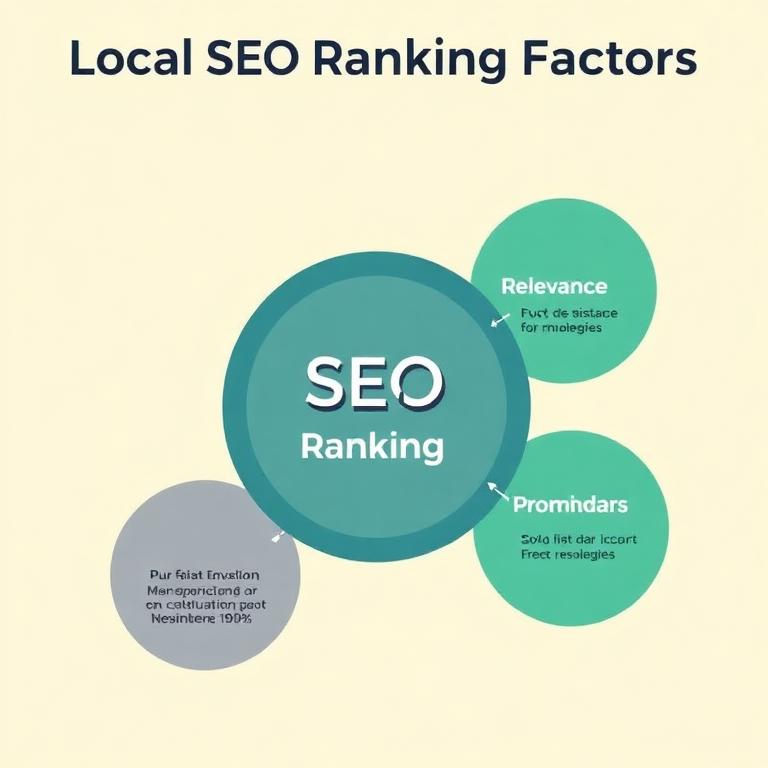
Google's local algorithm considers three core factors: relevance, distance, and prominence. On-page optimization directly influences two of those.
The Local SEO On-Page Factors That Matter Most for Local Rankings
Not every on-page element carries the same weight in local search. Some are table stakes. Others can be the difference between page one and page three. Here's what actually moves rankings for local businesses:
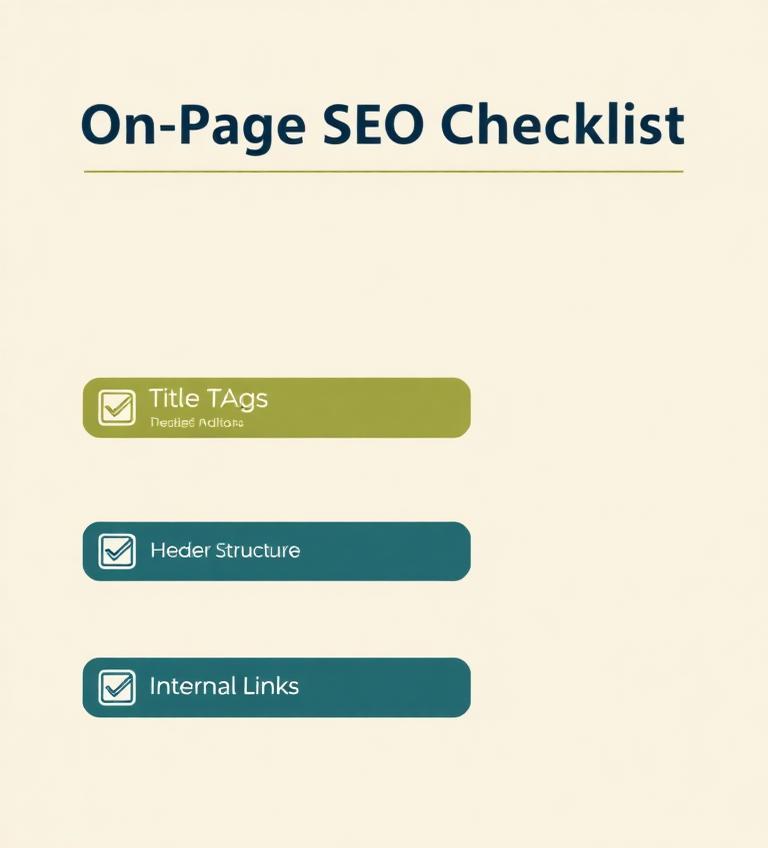
- Title tags with location intent: This is your headline in search results. It's the first thing someone reads, so it needs to include local keyword optimization and give people a reason to click.
- NAP consistency: Name, Address, Phone number—the same format, everywhere on the site. Footer, contact page, location pages. When these don't match the Google Business Profile, it creates friction. Google notices.
- Location-specific landing pages: For businesses serving multiple areas, each service area deserves its own page with unique content. Not just the city name swapped out. Actual local context—neighborhoods, landmarks, local references. This is where a lot of local SEO campaigns fall flat because the pages feel templated.
- Structured data markup: LocalBusiness schema tells search engines explicitly: this is a local business, here's the address, here are the hours, here's what they do. According to Google's documentation on structured data, proper schema helps search engines understand page content and can improve how results appear in search.
- Internal linking to service and location page SEO enhancement: The way pages connect to each other signals what's important. A homepage should link to core service pages. Service pages should link to relevant location pages. This hierarchy helps both users and crawlers understand the site structure.
- Meta descriptions: That little blurb under your title in Google? That's your meta description. Write it well, and more people click through. Write it poorly (or skip it), and Google makes one up for you.
On Page vs Off Page SEO in Local SEO: What's the Difference?
The relationship between on-page and off-page work is different in local SEO than in traditional organic campaigns.
With national SEO, backlinks often dominate the conversation. For local businesses, on-page signals and Google Business Profile optimization tend to carry more weight — especially in less competitive markets.
That's not to say links don't matter. They do. But a perfectly optimized GBP pointing to a website with weak on-page signals won't perform as well as it should.
This distinction matters when agencies are thinking about how to scope local SEO campaigns. In smaller cities, on-page work alone might move the needle significantly. In competitive metros, it's a foundation that off-page efforts build on.
Either way, skipping on-page fundamentals is like building on sand. The citations and links won't do their job if the website doesn't clearly communicate relevance and location.
When you're outsourcing SEO to a white-label partner, understanding this distinction helps you ask the right questions. You'll know whether the work being done focuses on what your client's site can control directly or what needs to happen externally. That clarity makes it easier to explain timelines and set realistic expectations with clients.
Get the on page work right first. Then the off page efforts actually have something solid to build on.
Why This Matters for Agencies
Agencies that understand local landing page optimization for local SEO can have sharper conversations with clients. You can explain why a plumber's homepage needs different optimization than an e-commerce product page. You can set realistic timelines based on what's actually required.
And when you're working with a fulfillment partner, you know what to check. Is the title tag strategy location-focused? Are location pages unique or just templates with city names swapped? Is the NAP consistent with the GBP?
Research from Backlinko found that the top three Google results get roughly 54% of all clicks. For local businesses, where search often happens on mobile with immediate intent, that concentration is even more pronounced. Getting on-page right is what earns those positions.
Understanding why local SEO campaigns sometimes fail often comes down to these fundamentals. When agencies can diagnose on-page issues, they can course-correct faster and keep clients longer.
What to Check on a Local Business Website
Whether you're auditing a prospect's site or reviewing work from a white-label provider, these are the on-page elements that matter most for local:
- Title tags should include primary service plus location.
- Meta descriptions should reinforce that and include a reason to click.
- The homepage needs to make the service area crystal clear within the first scroll.
- Each service page should target a specific offering, not try to cover everything.
- Location pages, if they exist, should have unique content—not just city-name variations of the same text.
- NAP information should match the GBP exactly.
- Schema markup should be present and error-free (Google's Rich Results Test catches most issues).
- Internal links should connect related pages logically. A service page should link to related services and relevant location pages.
- The contact page should be easy to find and include embedded maps where appropriate.
None of this is complicated in theory. The gap is usually in execution consistency. That's what separates good local SEO work from work that looks busy but doesn't move rankings.
Building From the Foundation Up
<a href="https://dialedinweb.com/white-label-on-page-optimization">On page optimization</a> for local SEO isn't glamorous. It doesn't have the visible proof of a link building campaign or the instant feedback of paid ads. But it's the foundation everything else rests on.
For agencies serving local businesses, understanding these fundamentals changes the quality of every client conversation. You'll know what questions to ask, what to look for in deliverables, and how to explain what's happening when results start showing up.
When you need a partner who handles local SEO execution with the detail it requires, explore how white-label local SEO works with agencies like yours.
Related Questions
Looking for more answers? Check out these frequently asked questions from our service pages:
- What is your content creation process?
- What access do you need from clients?
Ready to Scale Your Agency?
Let us handle your white-label fulfillment while you focus on growing your business.
You May Also Like

Local SEO and AI: How Local Search Works Now
Local SEO and AI now share the same signals. Here is how AI Overviews and Google Maps AI decide which businesses get named in local search.

The Multi-Location Local SEO Playbook Agency Partners Use to Win
Multi-location local SEO breaks most agencies. See the seven-layer playbook Dialed-In Web runs across partner clients. Built for real fulfillment.

How Long Does SEO Take to Work? A Straight Answer With No Vague Promises
How long does SEO take to work? Dialed-In Web breaks down real timelines, what affects your results, and what to expect month by month. No vague promises.