We value your privacy
We use cookies to enhance your browsing experience, analyze site traffic, and personalize content. By clicking "Accept All", you consent to our use of cookies. Read our Privacy Policy to learn more.

White Label On-Page SEO
White label on-page SEO covers both visible content and technical structure. We improve the signals search engines use to understand relevance, including headers, internal links, topical authority, and markup.
Included as part of our Local SEO service.
Start a Conversation
Tell us about your agency. We'll take it from there.
We typically respond within 24 hours.
- White-Label Partner
- 100s of Campaigns Managed
- 15+ Years Experience
- Built by Marketers
- Long-Term Partnerships
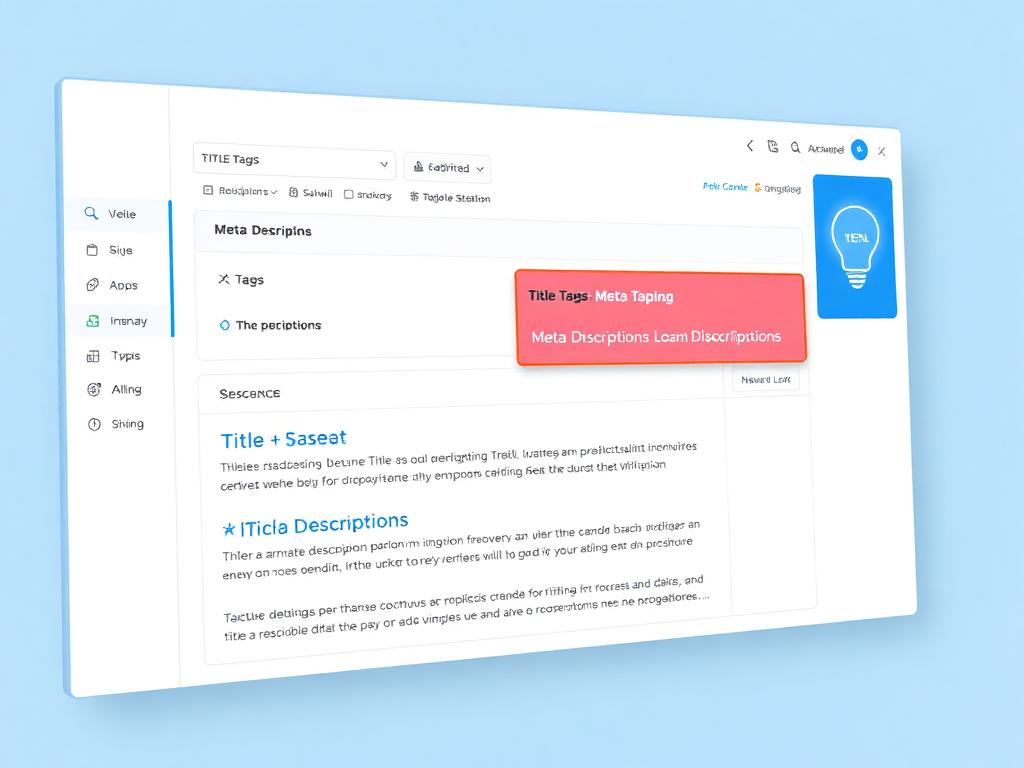
Titles That Rank and Drive Clicks
Title tags help search engines understand what a page covers. We optimize them for rankings, click-through rate, and search intent as part of our white label SEO services.
Keyword Placement
Target keywords appear near the front of the title tag, where they send a stronger relevance signal.
Character Limits
Titles stay under 100 characters, with priority keywords in the first 60 so the most important terms are more likely to display.
CTR Modifiers
Modifiers like 'best,' 'guide,' and location terms help capture long-tail searches without making titles feel forced.
Unique Descriptions
Every page gets a distinct meta description written to support clicks, relevance, and matching search terms.
Emotional Triggers
Positive hooks can make titles more compelling when used with restraint, never as clickbait.
Freshness Signals
Current-year references are added when the topic is time-sensitive and users expect updated information.
Keyword Placement That Signals Relevance
Keywords still matter, but placement, frequency, and context matter more. We optimize content so search engines understand each page clearly. Your agency presents the finished work as its own.
First 100 Words
Primary keyword appears early, where Google gives beginning terms more weight.
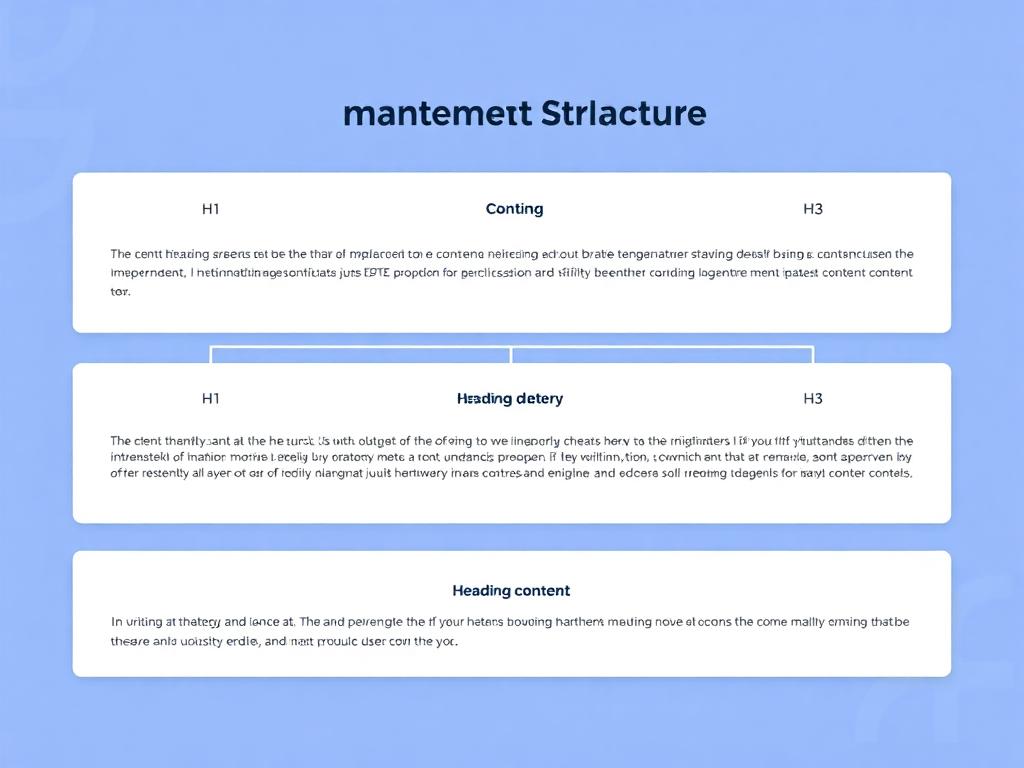
Header Hierarchy
One H1 uses the target keyword. Subheadings reinforce coverage with semantic variations.
Natural Frequency
Target keywords appear naturally throughout the page to confirm the topic without stuffing.
Long-Tail Phrases
Related phrases from 'People Also Ask' are woven in for broader coverage.
LLM-Ready Chunks
Content is broken into clear sections with descriptive subheads, each answering one question.
FAQ for AI
Real questions appear in FAQ blocks, where LLMs can extract them more reliably.
Hidden Signals That Build Authority
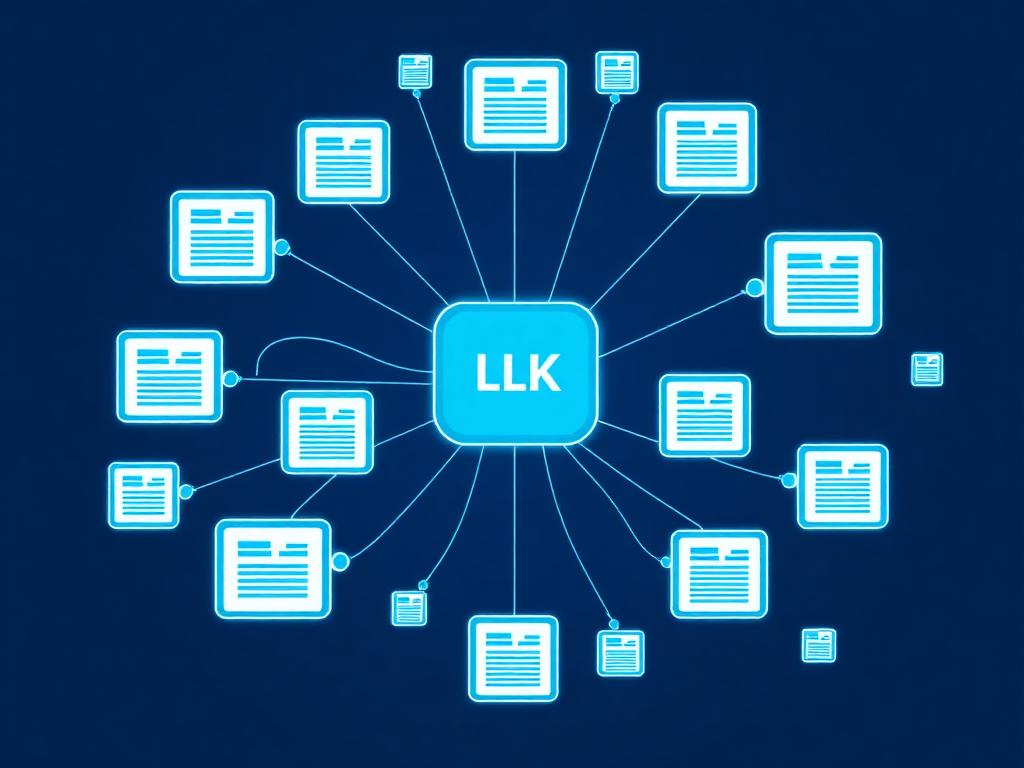
Internal links distribute authority across important pages. Optimized images add context for users and crawlers. Together, they strengthen the relevance signals that help your clients' pages move up the rankings.
Authority Flow
Links from high-authority pages point to pages that need ranking support. Deliberate, not random.
Anchor Text
Natural anchor text helps users and search engines understand the linked page.
Hub-Spoke Links
Pillar pages connect to supporting content, so every page belongs to a topical cluster.
Image Filenames
Descriptive filenames use keywords, like 'on-page-seo-checklist.png' instead of 'IMG_4521.jpg'.
Alt Text
Every image gets descriptive alt text for accessibility and SEO relevance.
Clean URLs
URLs stay short and keyword-inclusive, without parameters or session IDs cluttering the path.
How We Execute
White Label On-Page SEO Process
Comprehensive on-page audit using SEMrush methodology
Keyword mapping to pages with intent classification
Header hierarchy and content structure planning
Visible element optimization (titles, metas, headers, content, images)
Technical markup implementation (schema, structured data)
Internal linking architecture execution
Post-implementation verification and ongoing monitoring
Part of Local SEO
On-Page Optimization Works With Every Component
On-page optimization is one piece of the Local SEO puzzle. Each component supports the others, creating stronger results than isolated tactics can deliver.
That is why agencies choose our white label SEO for agencies model. Every component is included in Local SEO, with execution phased around competition, priorities, and client goals.
White Label On-Page SEO
Visible and technical on-page elements optimized for search engines and user exp...
Ready to Partner?
Take the Intake Quiz
A 60-second intake helps us understand your agency, your clients, and whether white-label fulfillment with us is a fit. One agency partner per market.
Take the Intake QuizTakes about 60 seconds. We'll follow up within one business day.