

Marketing agencies serving local businesses face a recurring challenge. Clients want paid advertising, but hiring PPC specialists is expensive, and the learning curve is steep.
White label local PPC solves this by letting a specialized provider manage pay-per-click campaigns behind the scenes while your agency maintains the client relationship.
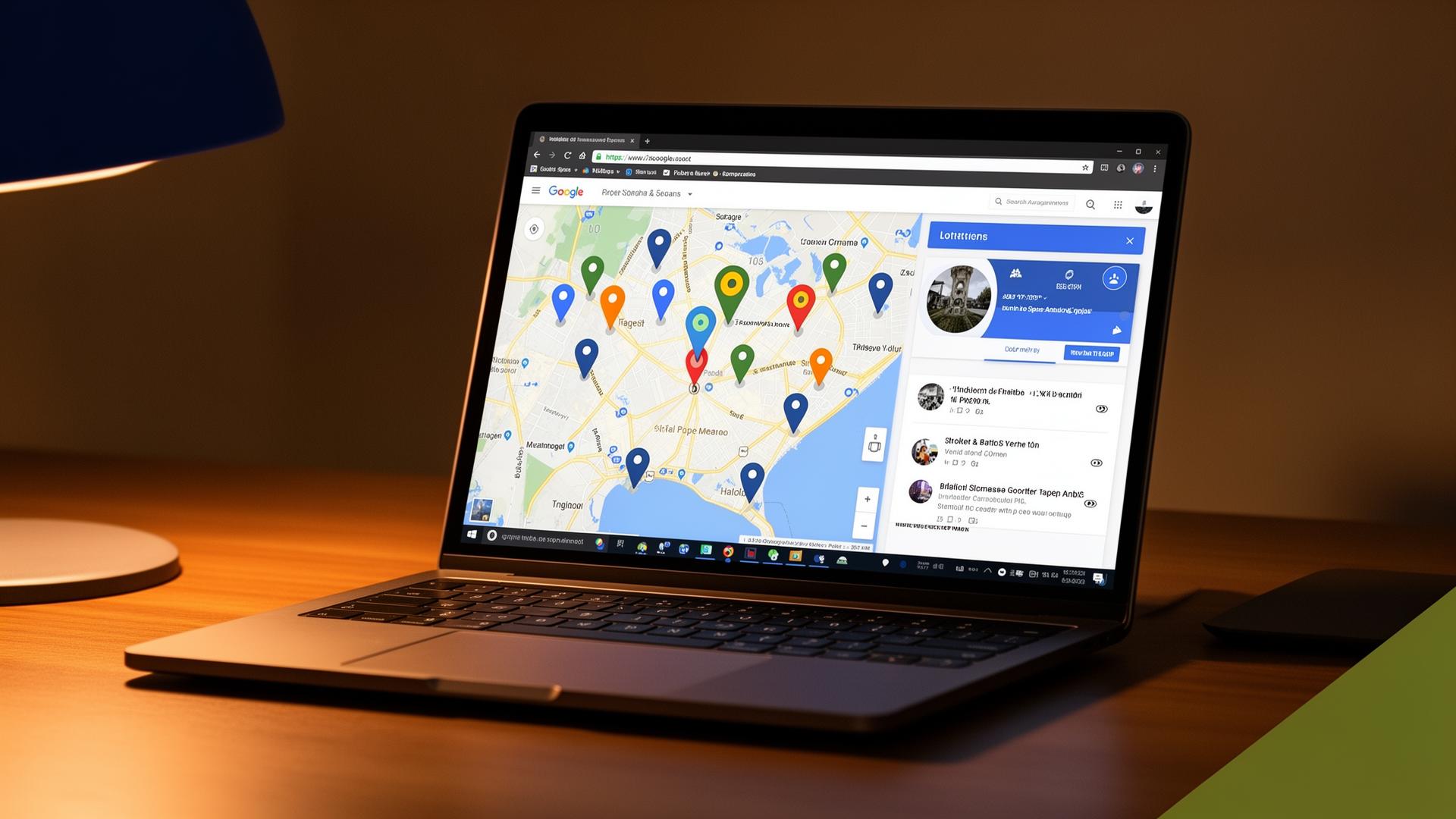
This isn't generic PPC management. Local campaigns require a different approach—service area targeting, location extensions, call tracking, and integration with Google Business Profile. The mechanics differ from national or e-commerce advertising in ways that matter for results.
The client sees your brand, your reports, and your communication. You maintain the relationship. The provider handles the technical execution that drives local leads.
Stick with us. We'll walk through how white label PPC actually works, why it's worth considering, and how to tell a solid provider from one that'll give you headaches.
How White Label PPC Works
The concept is straightforward. Your agency gets the credit. A specialized team handles campaign builds, bid management, ad copy, and reporting. Your client never knows a third party is involved.

Most arrangements follow a similar process. You gather client information:
- their goals
- target service areas
- and budget
You pass those details to your white label partner. They build and manage campaigns while you receive branded reports to share with clients.
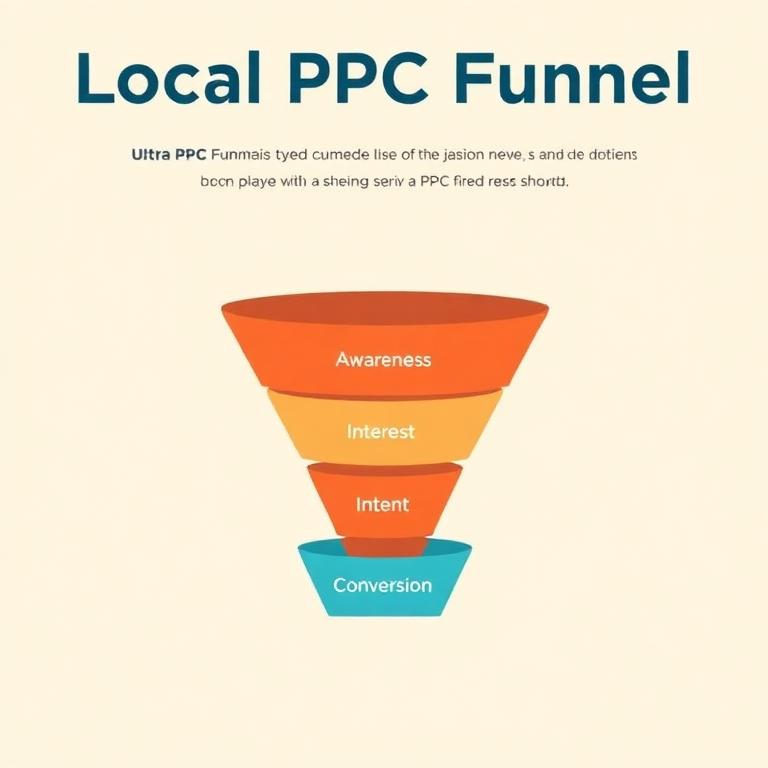
The financial model works on wholesale pricing. Your provider charges a management fee, and you mark up that cost when billing your client. This margin becomes profit without the overhead of PPC outsourcing for agencies.
Understanding how Google's advertising auction system works helps agencies set realistic expectations with clients about bidding, quality score, and ad placement.
Why Local PPC Differs From National Campaigns
Local paid advertising operates under different rules than national or e-commerce campaigns. Geographic constraints, service area targeting, and integration with Google Maps create distinct optimization requirements.

Geographic Targeting and Service Areas
Local campaigns target specific zip codes, cities, or radius distances from a business location. A plumber in Phoenix doesn't need clicks from Tucson. Tight geographic targeting reduces wasted spend and increases conversion rates because the people clicking actually live in the service area.
Location Extensions and Call Tracking
Local businesses benefit from ad extensions that national advertisers don't use as heavily. Location extensions connect ads to Google Business Profile listings. Call extensions let mobile users tap to call directly. These features drive phone calls and direction requests—the conversions that matter for service businesses.
Integration With Google Business Profile
Paid and organic local visibility work together. When a local business runs Google Ads alongside an optimized Business Profile, it can appear in both the paid results and the local pack. This dual visibility builds trust and increases click-through rates. Understanding how local SEO works alongside paid advertising helps agencies explain this relationship to clients.
What White Label Local Google Ads Management Includes
Quality providers handle the entire campaign lifecycle. Understanding what to expect helps agencies evaluate potential partners and set accurate client expectations.
Campaign Strategy and Setup
This phase covers account structure, keyword research focused on local intent, audience targeting by geography, and ad copy that speaks to local customers. A strong foundation determines long-term performance.
Providers should ask detailed questions about your client's business, competitors, and service areas before launching anything.
Local keyword research differs from national campaigns. Terms like "plumber near me" or "dentist in [city name]" carry purchase intent that generic industry terms don't. Campaign structure should reflect this local focus.
Ongoing Optimization
Management doesn't end at launch. Skilled teams continuously adjust bids based on geographic performance, test new ad variations, refine targeting, and eliminate wasted spend. They monitor which zip codes convert and which don't. They adjust dayparting based on when local customers actually call.
The difference between average results and exceptional ones often comes down to this ongoing attention. A local PPC campaign timeline helps agencies set expectations about when optimization begins to compound.
Conversion Tracking
Phone calls often matter more than form fills for local service businesses. Quality tracking includes dynamic number insertion so each ad click can be attributed to the call it generates. This data fuels optimization and proves ROI to clients.
When call tracking integrates with CRM systems, it closes the loop between ad spend and actual revenue. That attribution story keeps clients committed.
Reporting That Makes Sense
White label reports should translate PPC metrics into business impact. Clicks and impressions mean little to a business owner—leads, calls, and cost per acquisition tell the story that matters.
The best reporting connects ad performance to business outcomes. "Your ads generated 47 phone calls at $23 each" resonates more than "Your CTR improved 0.3%."
The Business Case for White Label PPC
Bringing PPC capabilities in-house requires significant investment. White label partnerships offer a different path with distinct financial and operational advantages.
Margin Without Overhead
In-house PPC specialists command substantial salaries. Benefits, training, and tools add more. White label arrangements convert that fixed cost into variable expense tied to actual client work.
The math becomes straightforward: charge clients $1,500/month for management, pay your provider $800, keep $700. No payroll taxes. No benefits. No coverage gaps when someone leaves.

Faster Service Expansion
Building PPC expertise internally takes months. Hiring takes time. Training takes longer. White label partnerships let agencies add paid advertising services within weeks rather than quarters.
When a client asks about Google Ads, you can say yes immediately. That responsiveness wins business.
Access to Specialized Tools
Enterprise PPC management requires expensive software—bid management platforms, competitive intelligence tools, reporting dashboards. Quality white label providers absorb those costs and spread them across their client base.
Your agency gains access to institutional-grade tools without institutional-grade investments.
How to Evaluate White Label PPC Providers
Not all providers deliver equal value. Understanding what separates quality partners from problematic ones helps agencies make better decisions.
Communication Clarity
Response time matters. When a client asks a question, how quickly can you get an answer? Providers should commit to specific turnaround times and actually meet them.
Clear account manager assignments prevent the "who handles this?" problem. You should know exactly who to contact and when they're available.
Reporting Transparency
Reports should be genuinely white-labeled—your branding, no mention of the provider. Ask to see sample reports before committing. Look for metrics that tell business stories, not just platform data.
The reporting schedule should match your client communication rhythm. If you meet with clients monthly, you need reports ready before those meetings.
Campaign Access
Some providers share campaign access. Others don't. Both approaches have merits, but you should understand the arrangement upfront.
Shared access lets you see exactly what's happening. Limited access requires more trust but may indicate proprietary methodologies the provider wants to protect.
Pricing Structure
Flat fees simplify margins. Percentage-of-spend models scale with client budgets. Understand the tradeoffs.
Watch for hidden costs—setup fees, minimum commitments, charges for additional reporting or analysis. Get the full cost picture before committing.
Common Mistakes Agencies Make With White Label PPC
Experience reveals patterns. Understanding common pitfalls helps agencies avoid them.
Treating It Like Full Outsourcing
White label works when agencies stay engaged. Passing everything to the provider and disappearing creates problems. You still own the client relationship and need to understand campaign performance well enough to have meaningful conversations.
Setting Unrealistic Expectations
Local PPC takes time to optimize. Promising clients immediate results sets everyone up for disappointment. Set accurate expectations about the 60-90 day ramp period and what success actually looks like.
Ignoring the Strategy Conversation
Jumping straight to execution skips the thinking that makes campaigns work. Push your provider for strategic recommendations, not just tactical execution. The best results come from alignment on goals and approach.
Choosing on Price Alone
The cheapest provider rarely delivers the best value. Expertise, communication, and results matter more than saving $100/month on management fees.
Getting Started With White Label Local PPC
Moving from consideration to implementation requires concrete steps.
Document Your Client Needs
Before approaching providers, inventory your current and potential PPC clients. What industries? What budgets? What geographic footprints? This information shapes provider conversations.
Interview Multiple Providers
Talk to at least three potential partners. Ask the same questions and compare answers. Request references from agencies similar to yours.
Start Small
Pilot the relationship with one or two clients before scaling. Learn how communication works, how problems get resolved, and whether results meet expectations.
Build Internal Processes
Even with execution outsourced, you need processes for gathering client information, reviewing reports, and handling escalations. Document these before volume increases.
Making the Partnership Work Long-Term
Initial success matters less than sustained performance. Building lasting white label relationships requires ongoing attention.
Regular Business Reviews
Monthly or quarterly conversations about overall partnership performance—not just individual campaigns—catch problems before they escalate and surface opportunities for improvement.
Feedback Loops
When campaigns underperform, communicate specifics. When clients are happy, share that too. Providers improve when they understand what's working and what isn't.
Growth Conversations
As your agency grows, discuss capacity with your provider. Understanding their scaling capabilities helps you sell with confidence.
The Strategic View
White label local PPC isn't just about execution efficiency. It's about building an agency that can serve clients comprehensively without the fragility of narrow expertise.
The agencies that thrive offer integrated services—SEO, paid media, content, email—connected by strategic thinking. White label partnerships make that breadth possible for agencies that couldn't otherwise afford it.
When paid advertising works alongside organic efforts, each reinforces the other. The data from paid campaigns informs SEO strategy. The content investments support paid performance. That integration creates value neither channel could generate alone.
For agencies ready to add local paid advertising capabilities, white label partnerships offer a proven path. The question isn't whether to explore them—it's how to choose the right partner and build a relationship that serves everyone well.
Related Questions
Looking for more answers? Check out these frequently asked questions from our service pages:
- How quickly will we see results?
- What is your minimum ad spend requirement?
- Do you manage both Google Ads and Meta Ads?
Ready to Scale Your Agency?
Let us handle your white-label fulfillment while you focus on growing your business.
You May Also Like

What Is White-Label PPC? How It Works for Agencies, Step by Step
What is white-label PPC? Explore how agencies can leverage this service to run effective ad campaigns under their brand. Get insights on pricing and reporting.

Outsource Technical SEO: The Hand-off Nobody Plans For
When to outsource technical SEO and when to keep it in house, plus the audit scope and access you should agree on before a partner touches the site.

Agency Rank Tracking: Why the Weekly Report Stops Meaning Anything
Agency rank tracking gets unreliable as the roster grows. Here is what breaks, why two tools disagree, and how to report positions clients can act on.